
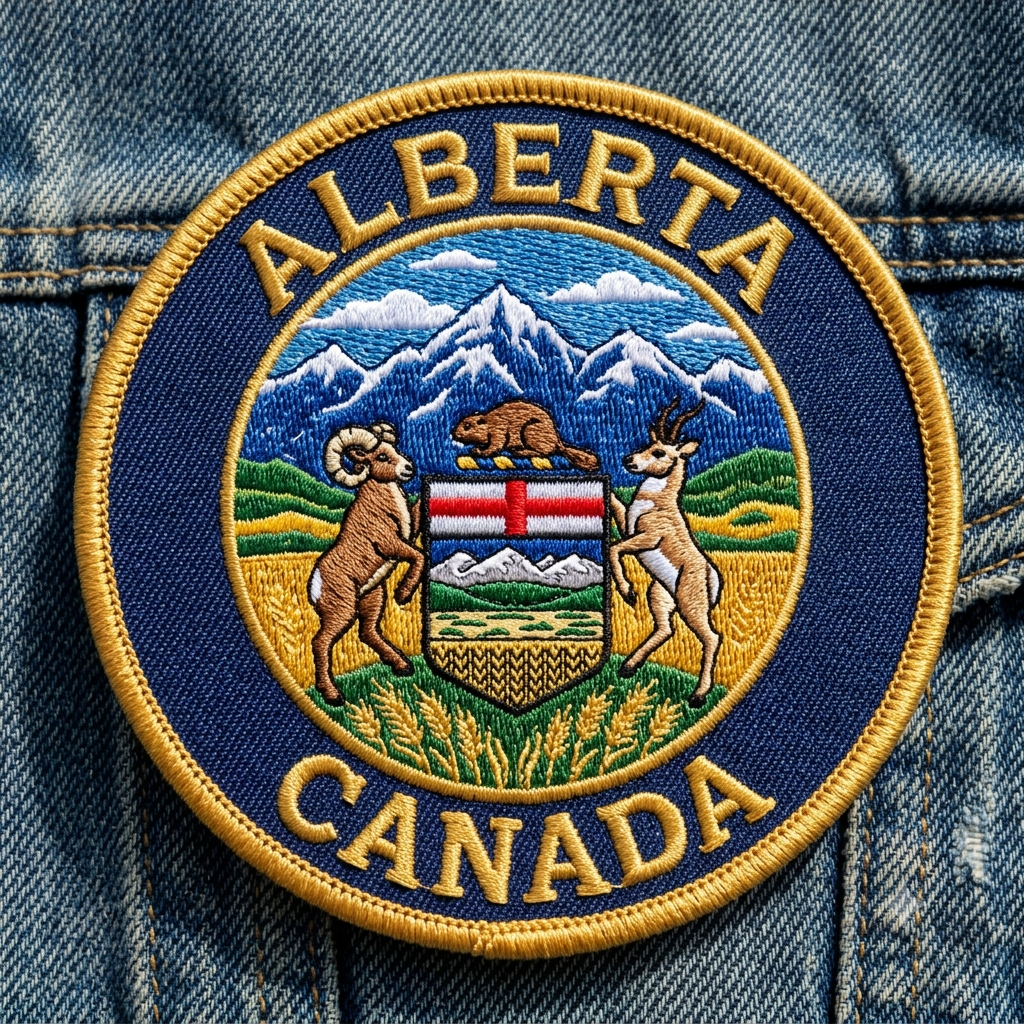
Custom embroidered patches have become one of the most popular ways for Canadian businesses, clothing brands, sports teams, and individuals to express identity and build recognition. Whether it’s a company logo stitched onto a uniform, a club emblem sewn onto a leather jacket, or a fashion patch added to a denim jacket, embroidered patches combine craftsmanship with practicality.
Across Canada, demand for custom patches continues to grow as more people look for durable, professional, and visually striking ways to represent their brand or personal style. Unlike printed labels or stickers, embroidered patches are stitched with thread, giving them texture, dimension, and a premium finish that lasts for years.
This guide covers everything you need to know before ordering custom embroidered patches in Canada — from how they’re made, to the different types available, sizing, backing options, design tips, and how to avoid common mistakes. Whether you’re a first-time buyer or a business ordering patches in bulk, this article will help you make an informed decision.
What Are Custom Embroidered Patches?
Custom embroidered patches are fabric badges created by stitching thread onto a base material to form a design, logo, or text. The embroidery process builds up layers of thread across a stabilized backing fabric, which is what gives these patches their raised, textured appearance compared to flat printed alternatives.
At a basic level, the process involves digitizing a design into a stitch file, selecting thread colors, and running the file through an embroidery machine that stitches the pattern onto twill, felt, or another base fabric. Once the stitching is complete, the patch is cut to shape and finished with an edge treatment such as a merrowed border or heat-cut edge.
Embroidered patches tend to carry a premium look because of the way thread catches light and creates depth. This texture is difficult to replicate with printing, which is part of why embroidered patches are associated with quality, tradition, and craftsmanship think military insignia, varsity jackets, and heritage brand logos.
The difference between a standard, off-the-shelf patch and a custom patch comes down to control. A custom embroidered patch is built entirely around your artwork, colors, size, and backing preference, rather than being selected from a limited catalog of generic designs. This makes custom patches suitable for branding, team identity, and personal expression in ways that mass-produced patches cannot match.
Who Uses Custom Embroidered Patches?
Custom embroidered patches serve a wide range of people and organizations across Canada, each with different goals in mind.
Clothing Brands
Streetwear labels and independent fashion brands frequently use embroidered patches to add texture and detail to jackets, hoodies, and limited-run collections. A well-placed patch on a sleeve or chest pocket can turn a plain garment into a signature piece, helping smaller labels build a recognizable visual identity without a full print run.
Businesses
Company uniforms are one of the most common applications for custom patches. Businesses in trades, hospitality, healthcare, and retail use embroidered logo patches on staff uniforms, jackets, and hats to reinforce brand identity and create a consistent, professional appearance across their team.
Motorcycle Clubs
Motorcycle clubs have long relied on embroidered patches for jackets and vests. These patches often represent club membership, rank, or achievements, and durability matters here more than almost any other use case, since these garments are worn for years in outdoor conditions.
Sports Teams
Local sports teams, leagues, and clubs use embroidered patches for team logos, crests, and player identification on jerseys, jackets, and bags. Patches offer a durable alternative to printed graphics that can peel or fade after repeated washing.
Schools and Organizations
Schools use embroidered patches for blazers, uniforms, and club or achievement badges. Organizations such as scouting groups, associations, and non-profits also use patches to mark membership or accomplishments.
Personal Fashion Users
Individuals increasingly buy custom patches to personalize backpacks, denim jackets, and accessories. This DIY customization trend has made embroidered patches popular well beyond their traditional uniform and workwear roots.
Types of Custom Embroidered Patches
Not all patches attach the same way. Choosing the right type depends on how and where the patch will be used.
- Iron-on embroidered patches use a heat-activated adhesive backing that bonds to fabric when pressed with an iron, making them a quick, no-sew option for lighter use.
- Sew-on embroidered patches are stitched directly onto the garment, offering the strongest, most permanent attachment — ideal for uniforms and workwear that face regular washing and movement.
- Velcro embroidered patches use a hook-and-loop backing, allowing patches to be attached and removed easily. This is popular for tactical gear, uniforms with rotating patches, or seasonal branding.
- Adhesive backing patches use a peel-and-stick backing for temporary or one-time use, such as promotional events or short-term applications.
Patch Type Comparison
| Patch Type | Best Use | Durability | Benefits |
|---|---|---|---|
| Iron-on | Casual apparel, quick application | Moderate | Fast, no sewing needed |
| Sew-on | Uniforms, workwear, jackets | High | Long-lasting, secure hold |
| Velcro | Tactical gear, interchangeable branding | High (with proper backing) | Easy to swap or remove |
| Adhesive | Temporary or promotional use | Low | No tools needed, instant application |
Custom Embroidered Patch Size Guide
Patch size affects both visibility and cost, so it’s worth understanding the common categories before placing an order.
- Small patches work well for detailed logos on caps, collars, or pockets, and are often chosen when a subtle branding touch is needed.
- Medium patches are the most common size for chest logos, uniform branding, and general apparel use.
- Large patches suit bold statements, team crests, or designs with more detail that needs room to be legible.
- Back patches are oversized patches applied to the back of jackets or vests, commonly used by motorcycle clubs and streetwear brands for maximum visual impact.
Small, detailed patches can start around 1 inch depending on design complexity, since finer details need enough space to stitch clearly without threads overlapping. On the larger end, custom patches can be created according to customer requirements, with back patches often exceeding 10 inches depending on the garment and design.
Size Reference Table
| Size Range | Common Uses |
|---|---|
| 1″ – 2″ | Caps, collars, small logos |
| 2″ – 4″ | Chest logos, uniform patches |
| 4″ – 6″ | Statement patches, sleeve designs |
| 6″+ | Back patches, large team or club emblems |
How Custom Embroidered Patches Are Made
Understanding the manufacturing process helps explain both the quality and the cost of embroidered patches.
- Design creation – Your logo or artwork is reviewed and adjusted to work well in embroidered form.
- Artwork preparation – The design is digitized into a stitch file that tells the embroidery machine exactly where and how to stitch.
- Thread selection – Thread colors are matched to your design, with consideration given to how certain shades and gradients translate into embroidery.
- Embroidery production – The digitized file is run on embroidery machines that stitch the design onto the base fabric, layer by layer.
- Border finishing – Edges are finished using a merrowed border (a stitched overlock edge) or a heat-cut border for a cleaner, thinner look.
- Backing application – The chosen backing (iron-on, sew-on, Velcro, or adhesive) is applied to the reverse side of the patch.
- Quality checking – Finished patches are inspected for stitch consistency, color accuracy, and overall finish before packaging.
This process is largely the same whether you’re ordering ten patches or ten thousand, though larger orders benefit from more efficient production runs and better per-unit pricing.
How To Design A High-Quality Embroidered Patch
Good patch design isn’t just about the artwork — it’s about how well that artwork translates into thread.
- Simple designs work better. Overly intricate designs with fine lines or tiny text often lose clarity once stitched, especially at smaller sizes.
- Color selection matters. Embroidery thread comes in a defined range of colors, so it’s worth choosing a palette that translates well rather than relying on gradients or subtle shading.
- Text readability is important. Bold, simple fonts stitch more clearly than thin or script fonts, particularly on smaller patches.
- Logo preparation should happen early. Providing a clean, high-resolution version of your logo helps avoid delays or quality issues during digitizing.
- Placement consideration affects sizing. Where the patch will sit — chest, sleeve, cap, or back — should influence the shape and size decisions from the start.
Embroidered vs PVC vs Woven Patches
Embroidered patches aren’t the only option on the market. Here’s how they compare to two common alternatives.
| Feature | Embroidered | PVC | Woven |
|---|---|---|---|
| Texture | Raised, textured thread finish | Smooth, rubber-like finish | Flat, fine-detail finish |
| Best For | Classic, textured branding | Outdoor gear, bold logos | Highly detailed, small designs |
| Durability | High | Very high, water-resistant | High |
| Detail Level | Moderate | Moderate to high | Very high |
| Look | Traditional, premium | Modern, bold | Sleek, detailed |
Embroidered patches remain the preferred choice when a classic, tactile look is the priority, while PVC and woven patches serve more specific needs around weather resistance or fine detail.
Patch Backing Options Explained
Choosing the right backing is just as important as choosing the right patch type, since it determines how the patch will actually be worn.
- Iron-on backing works best for lighter apparel that won’t be washed as frequently, such as fashion patches or occasional-use garments.
- Sew-on backing is best suited for uniforms, workwear, and anything that needs to withstand regular washing and daily wear.
- Velcro backing is ideal when patches need to be swapped, such as name patches, rank insignia, or seasonal branding on the same garment.
- Adhesive backing works well for short-term, one-time applications like trade shows or promotional giveaways.
How To Apply And Maintain Embroidered Patches
Getting the application right — and caring for the patch afterward — makes a real difference in how long it lasts.
Application methods:
- Iron-on patches should be applied with firm, even heat and pressure for the full recommended time to ensure a secure bond.
- Sew-on patches should be stitched around the entire edge for maximum durability, rather than only at a few points.
- Velcro patches simply need the matching hook-and-loop counterpart sewn onto the garment.
Washing tips:
- Turn garments inside out before washing to reduce friction on the patch surface.
- Use cold or warm water rather than hot water, which can weaken adhesive backings.
- Avoid high-heat dryer settings, especially for iron-on patches.
Increasing patch lifespan:
- Choose sew-on backing for garments that will be washed frequently.
- Avoid excessive folding or creasing directly across the patch.
- Address loose threads early to prevent unraveling.
Why Choose Stitch Patches CA?
Stitch Patches CA provides custom embroidered patches across Canada, with a focus on quality-driven embroidery and designs built around each customer’s actual needs. From businesses looking for consistent uniform branding to clubs, teams, and individuals wanting a one-of-a-kind design, the goal is straightforward: durable patches that look as good in year three as they do on day one. Every order is treated as an opportunity to get the details right — from thread color matching to backing selection — so customers get a patch that fits their exact use case.
Common Mistakes When Ordering Custom Patches
Avoiding these common issues can save time, money, and frustration.
- Poor artwork – Low-resolution or unclear logos make it harder to produce a clean, accurate patch.
- Wrong size – Ordering a patch too small for a detailed design often results in lost clarity.
- Too much text – Small, dense text rarely stitches well and can become unreadable.
- Wrong backing – Choosing iron-on for heavy workwear, for example, can lead to premature peeling.
- Wrong material selection – Not considering how the patch type suits the garment or use case can affect both appearance and durability.
Frequently Asked Questions
What are custom embroidered patches? Custom embroidered patches are fabric badges made by stitching a design or logo with thread, tailored to a specific size, shape, color scheme, and backing based on customer requirements.
Can patches be made in different sizes? Yes. Patches can be produced in a wide range of sizes, from small 1-inch detailed designs up to large back patches, depending on the design and intended use.
Are iron-on patches permanent? Iron-on patches create a strong bond when applied correctly, but they are generally less permanent than sew-on patches, especially on garments that are washed frequently.
Are Velcro patches available? Yes. Velcro backing is available for patches that need to be interchangeable or easily removed and reattached.
Which patch type is best? It depends on the use case. Sew-on patches offer the most durability for uniforms and workwear, while iron-on and Velcro options offer more convenience for lighter or interchangeable use.
Who uses embroidered patches? Clothing brands, businesses, motorcycle clubs, sports teams, schools, organizations, and individuals all use embroidered patches for branding, identity, and personal style.
How long do embroidered patches last? With proper backing and care, embroidered patches can last for years, even with regular wear and washing.
Can I create custom logo patches? Yes. Logos can be digitized into a stitch-ready format and produced as custom embroidered patches in a size and backing style that fits your specific needs.
Custom embroidered patches remain one of the most versatile and durable ways to represent a brand, team, or personal style in Canada. From choosing the right patch type and backing to understanding sizing and care, a little planning goes a long way toward getting a patch that looks great and holds up over time.